















MTB winter clothing for roughest conditions




Mountain biking in winter makes different demands than road cycling at the same temperature. The speed is lower, the effort higher, and the ground causes moisture from below.
Less wind protection, more moisture management
At 15 km/h on the trail, headwind plays a smaller role than at 30 km/h on the road. However, you sweat more on technical terrain. A windproof membrane from top to bottom therefore quickly leads to overheating. A system of several thin layers that you can adjust individually makes more sense.
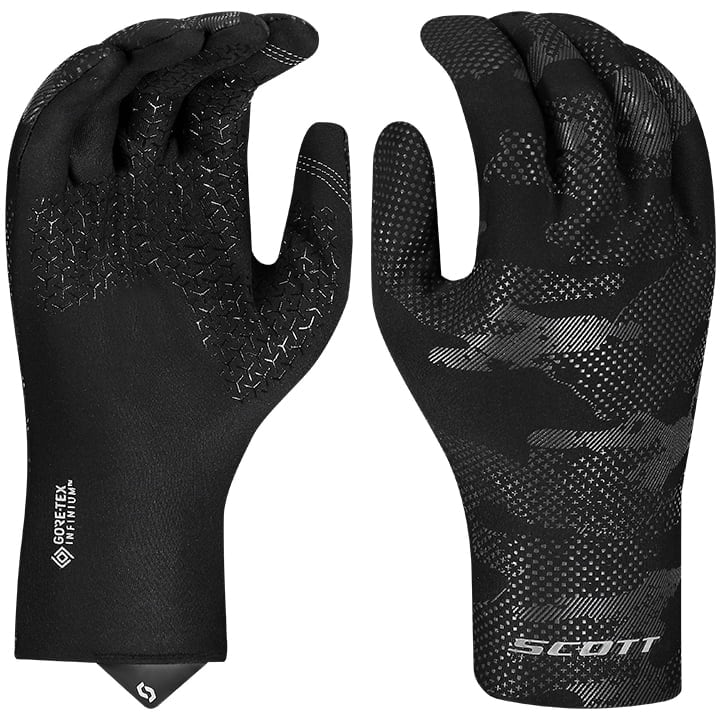
With gloves, a compromise is necessary: too thick, and you lose the feel for the brake, which is more dangerous on slippery ground than cold fingers.
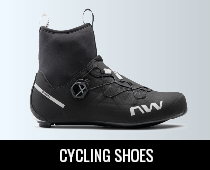
The same principle applies to shoes as to clothing. Winter MTB shoes with a membrane keep out spray from above, but get soaked through in stream crossings just like any other shoe, and then dry much more slowly.
In winter, deliberately start slightly cool, because off-road you get warm after a few minutes anyway.
