














Layering for fall cycling: a layering system for 10–20 °C
Layering for cycling means three thin layers instead of one thick one. A base layer wicks sweat away from your skin. A jersey or thermal jersey keeps the warmth in. A vest or jacket protects you from wind and rain. Between 10 and 20 °C, you adapt the system by swapping the mid and outer layers.
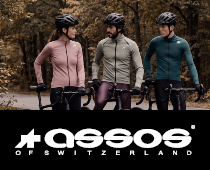
The principle is the same for every brand; only the pieces differ. This guide shows the layering system with five brands from the Bobshop range: Assos, Castelli, Gobik, Q36.5 and Vaude. That covers everything from touring and MTB gear to racing apparel. For four of the brands, you get three complete outfits each, from base layer to jacket. Vaude rounds out the system for touring, commuting and MTB.
The layering principle for cycling: three layers, three jobs
Each layer in the layering principle has its own job. If one fails, the whole system works less well. The overview shows the three layers with examples from the five brands.
1. Base layer
Job: Wick sweat from your skin to the next layer
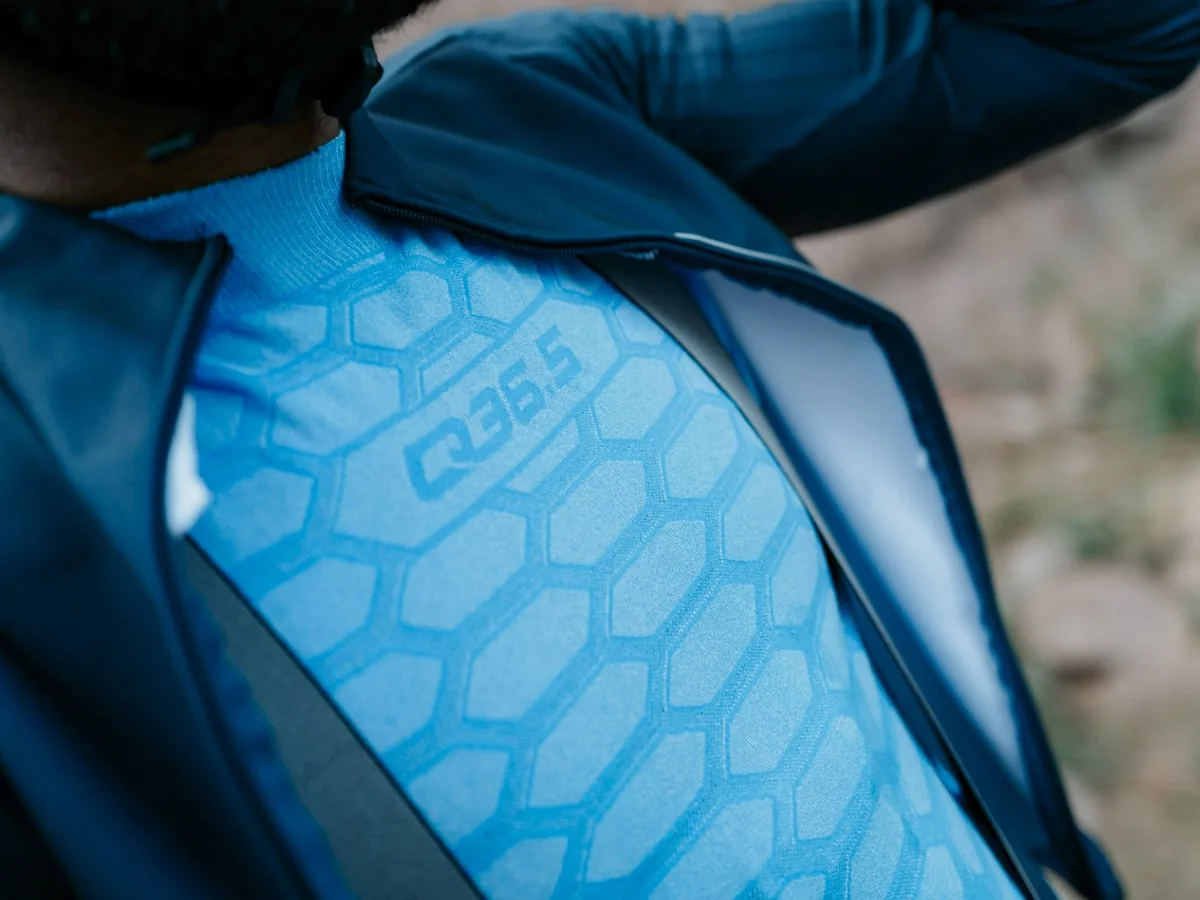
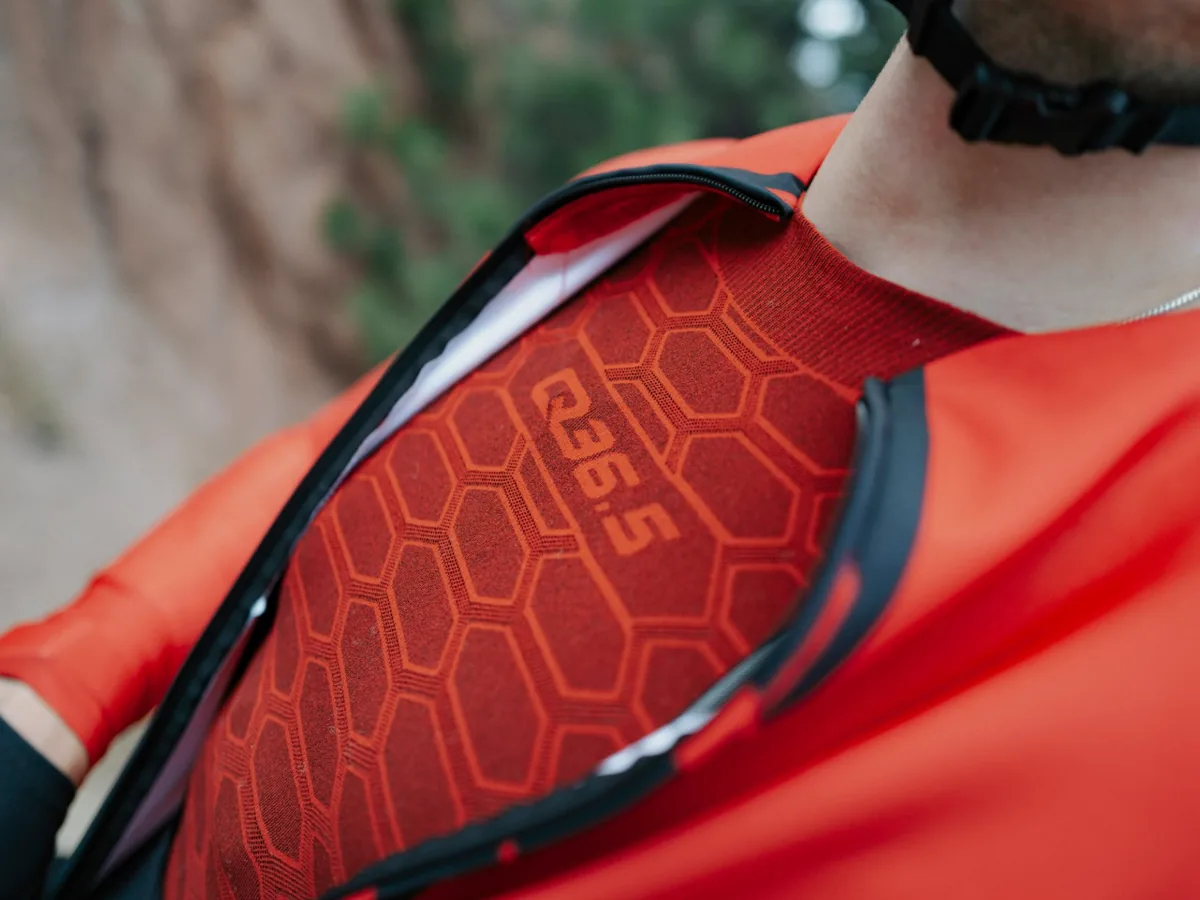
Examples: Castelli Core long sleeve base layer, Gobik Winter Merino, Q36.5 Layer 3
2. Mid layer
Job: Retain warmth and pass moisture outward
Examples: Assos MILLE GT Spring Fall S11 long sleeve jersey, Castelli Espresso Thermal 2, Vaude Posta II
3. Outer layer
Job: Block wind and rain, release heat when needed
Examples: Gobik Vector 3.0 wind vest, Vaude Moab thermal vest, Castelli Light Jacket Sweetspot
The benefit over one thick jacket: you can react to the weather on the go. In the morning at 10 °C, you head out with all three layers. At midday at 18 °C, the vest goes into your jersey pocket.
Base layers: the foundation of every layering system
The base layer decides whether the whole layering system works. It sits directly on your skin and passes sweat on to the jersey. The jersey and jacket can only move out the moisture the base layer has already released. A cotton shirt or a loose base layer, on the other hand, keeps the moisture on your skin. Then you get cold on the next descent, no matter how good your jacket is.
At 16 to 20 °C, a thin short sleeve base layer is enough. At 13 to 15 °C, go for a long sleeve base layer. At 10 to 12 °C, choose a warmer model, for example in merino. You'll find the right base layers in our categories:
Merino or synthetic: which base layer is right for you?
Synthetic base layers made of polypropylene or polyester absorb almost no water and dry very fast. That suits high speeds and heavy sweating. Merino stays warm even when damp and is slower to pick up odors. That suits long rides with breaks, for example with the Gobik Winter Merino models. Castelli offers both options, including the Merino seamless long sleeve base layer. You'll find the full selection in our cycling underwear category.
What is a mid layer?
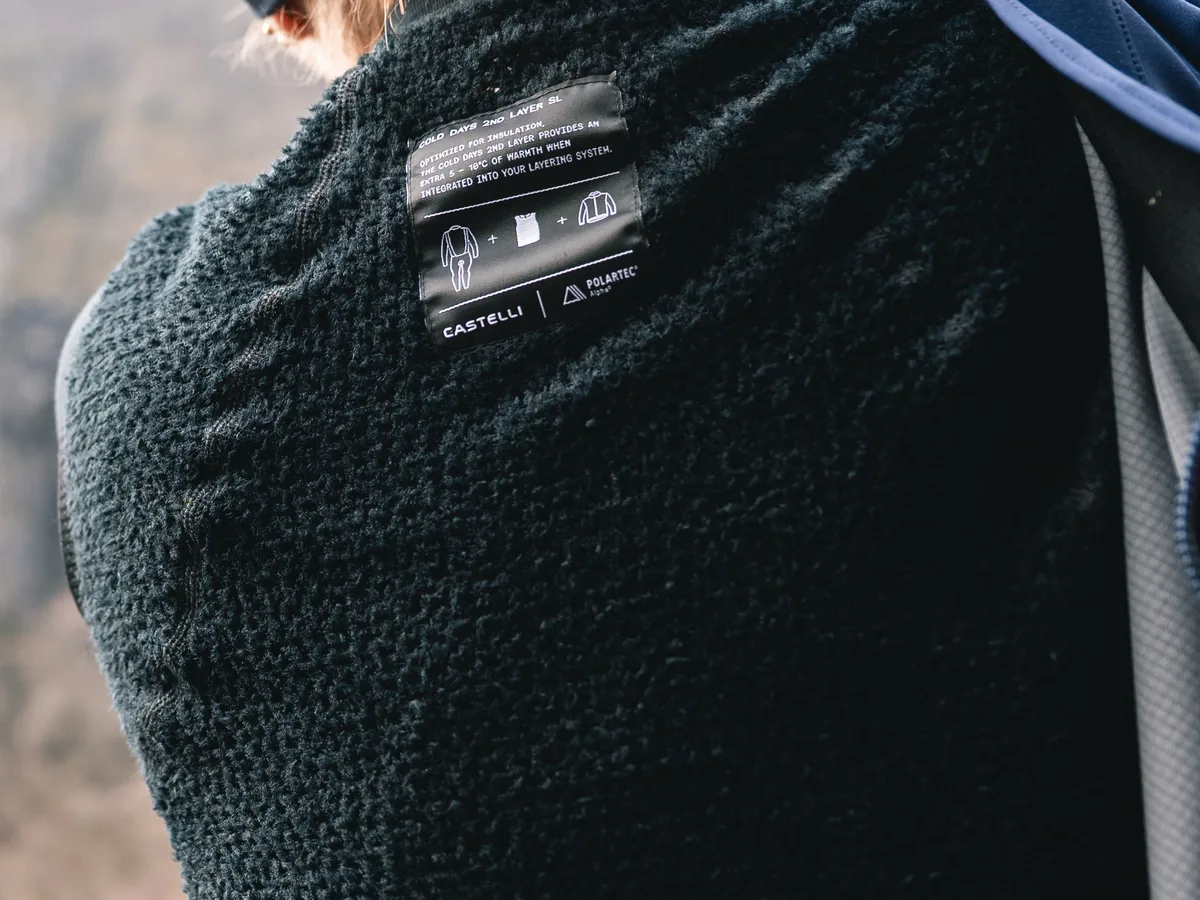
A mid layer sits between the base layer and the jersey or jacket. It adds warmth without adding bulk. Examples are the Castelli COLD DAYS 2nd LAYER long sleeve base layer, the Q36.5 Bulletproof and the Assos EQUIPE ThermoBooster P1 long sleeve jersey. Between 10 and 20 °C, most riders don't need a mid layer. It only becomes important below 10 °C.
Road bike outfits for the fall: 12 combinations from 20 to 10 °C
The overview is sorted by temperature. For each range, there is one complete outfit each from Assos, Castelli, Gobik and Q36.5, built on the layering system. Each outfit stays within one brand, because the collections are matched in color and technology. Prices are Bobshop prices as of October 2026.
16–20 °C: mild fall days

Assos
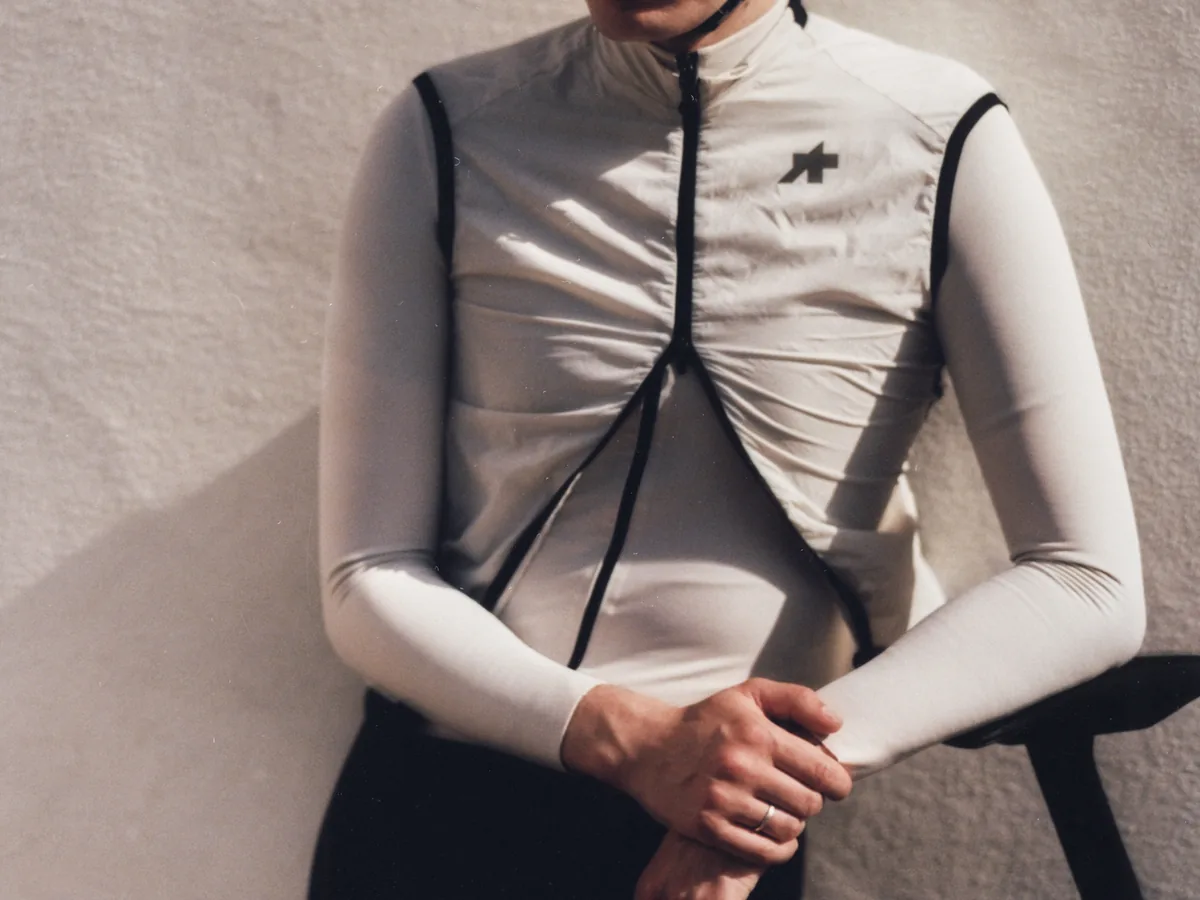
Base: Spring Fall P1 base layer, short sleeve
Mid: MILLE GT Spring Fall S11 long sleeve jersey
Outer: –
Bottoms: MILLE GT Spring Fall S11 knickers

Castelli
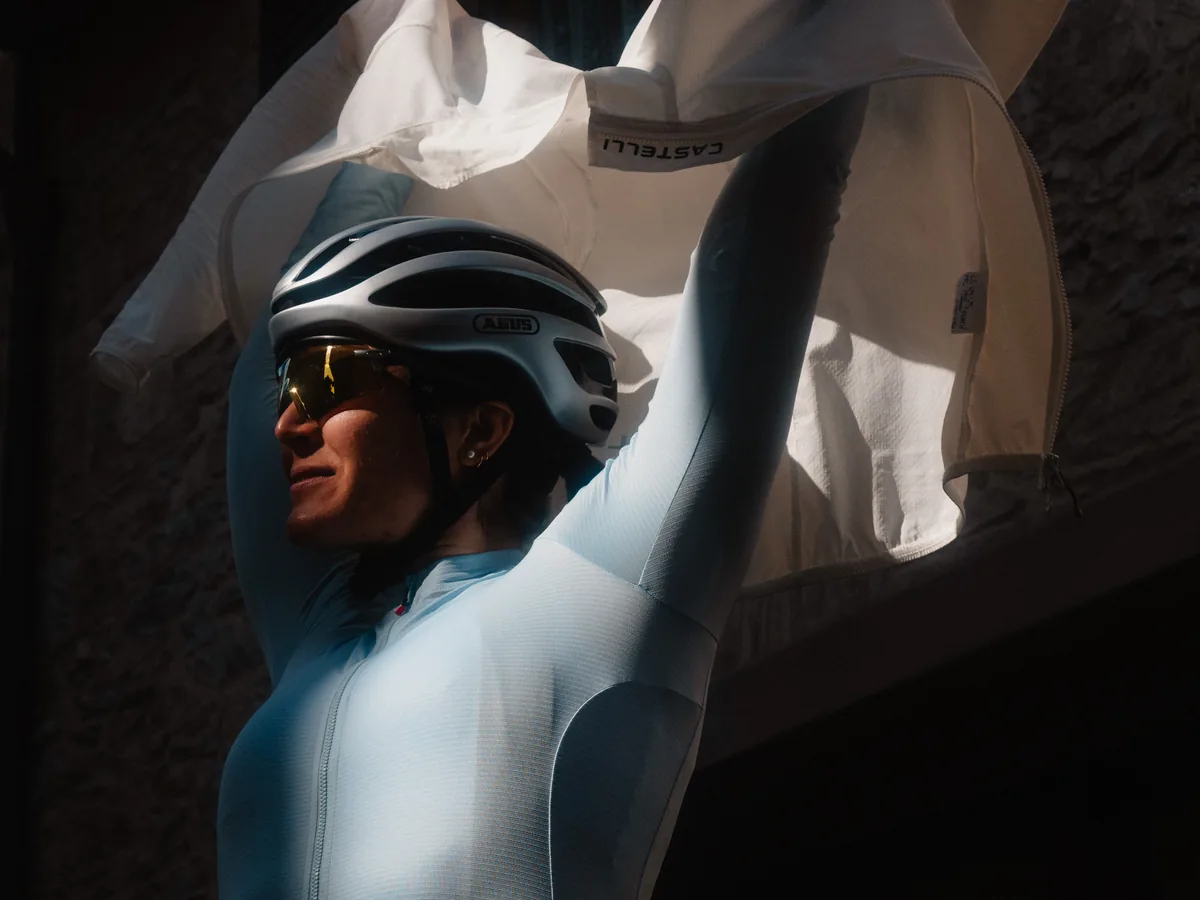
Base: Core Seamless base layer
Mid: Corretto long sleeve jersey
Outer: Transition wind jacket in your pocket
Bottoms: Espresso TRNSTN bib tights, no fleece

Gobik
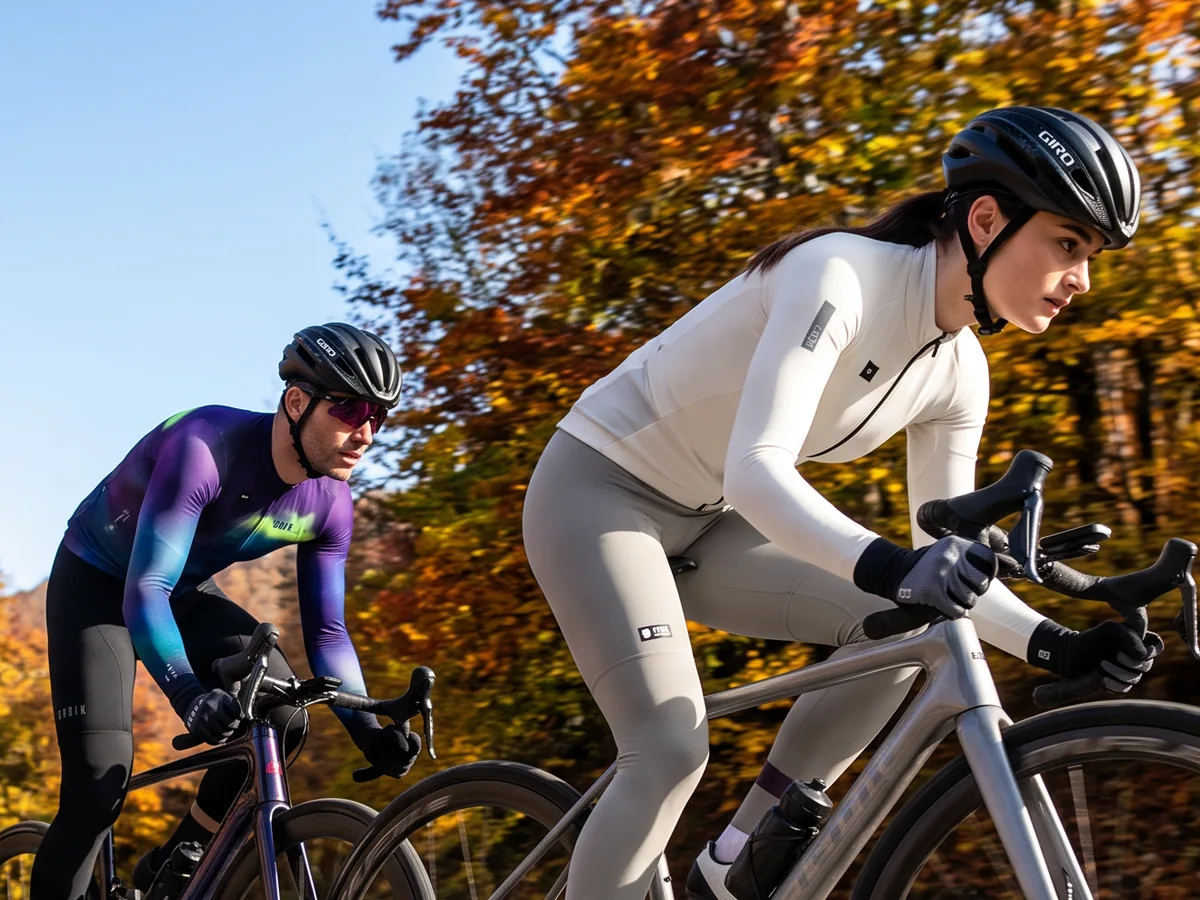
Base: Cell Skin base layer
Mid: Vanquish long sleeve jersey, 150 g
Outer: Vector 3.0 wind vest
Bottoms: Artic Stride bib shorts

Q36.5
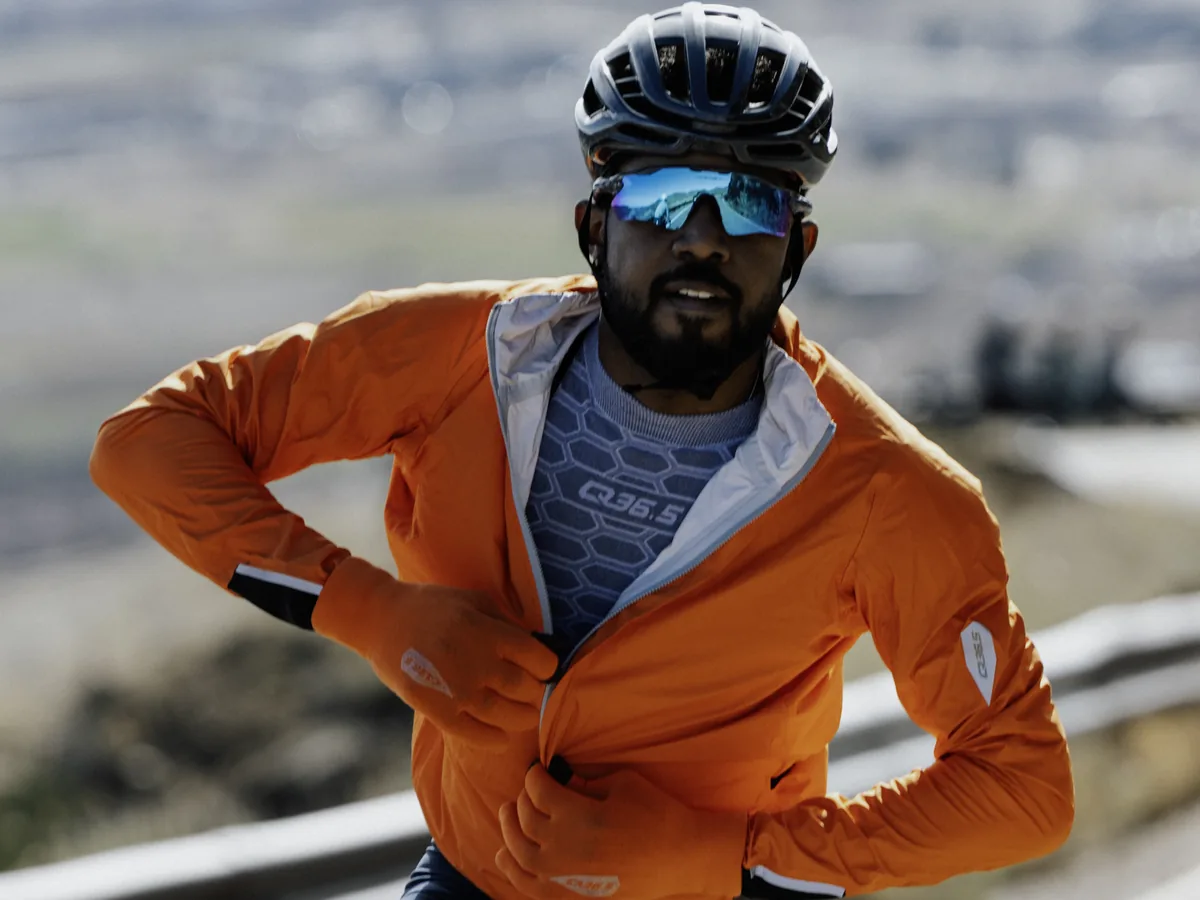
Base: Layer 2 base layer
Mid: Gregarius Hybrid Light Collar long sleeve jersey
Outer: Air wind jacket, 90 g
Bottoms: Gregarius Hybrid Light bib tights
13–15 °C: cool fall days
Assos
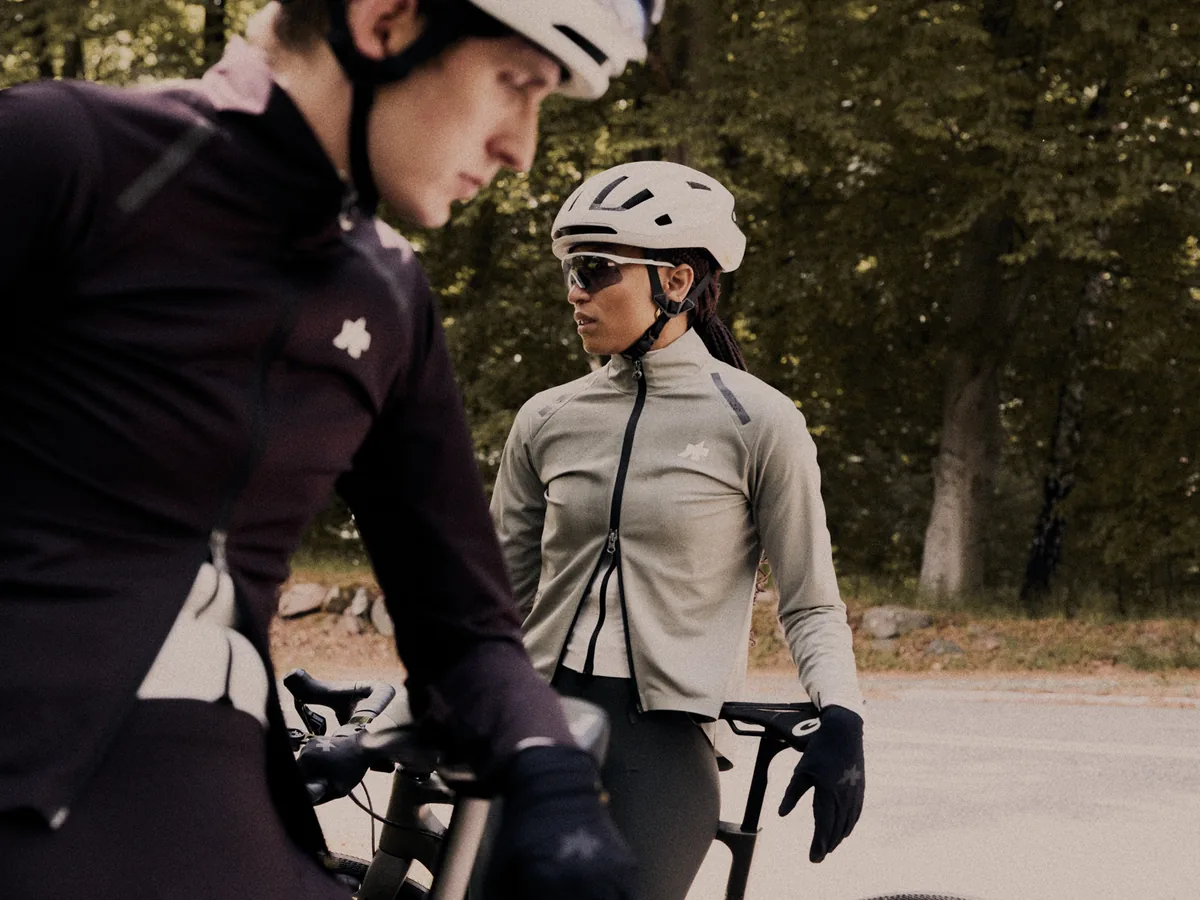
Base: Spring Fall Skin Layer P1 long sleeve base layer
Mid: MILLE GT Spring Fall S11 long sleeve jersey
Outer: –
Bottoms: MILLE GT Spring Fall S11 bib tights
Castelli
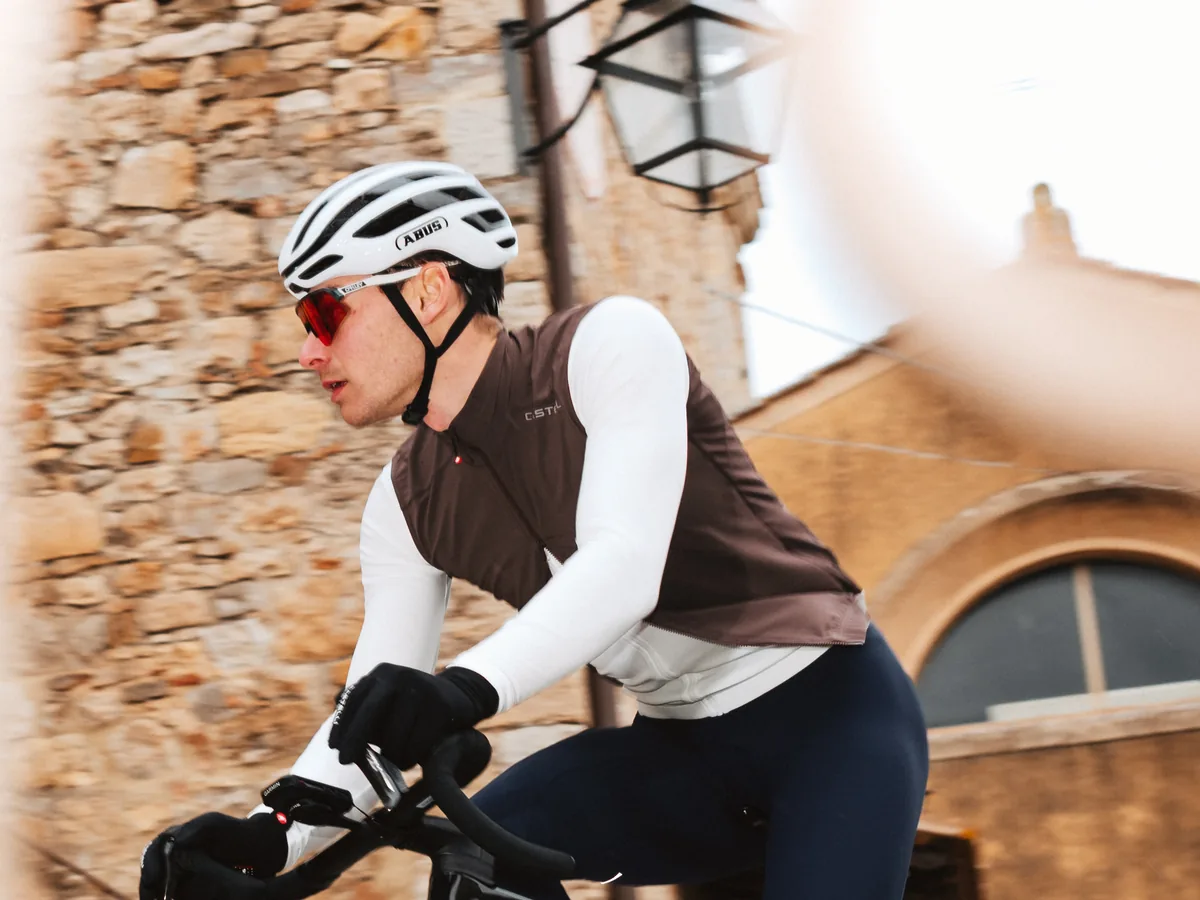
Base: Core long sleeve base layer
Mid: Espresso Thermal 2 long sleeve jersey
Outer: Espresso 2 wind vest
Bottoms: Espresso Thermal bib shorts + Espresso 2 leg warmers
Gobik
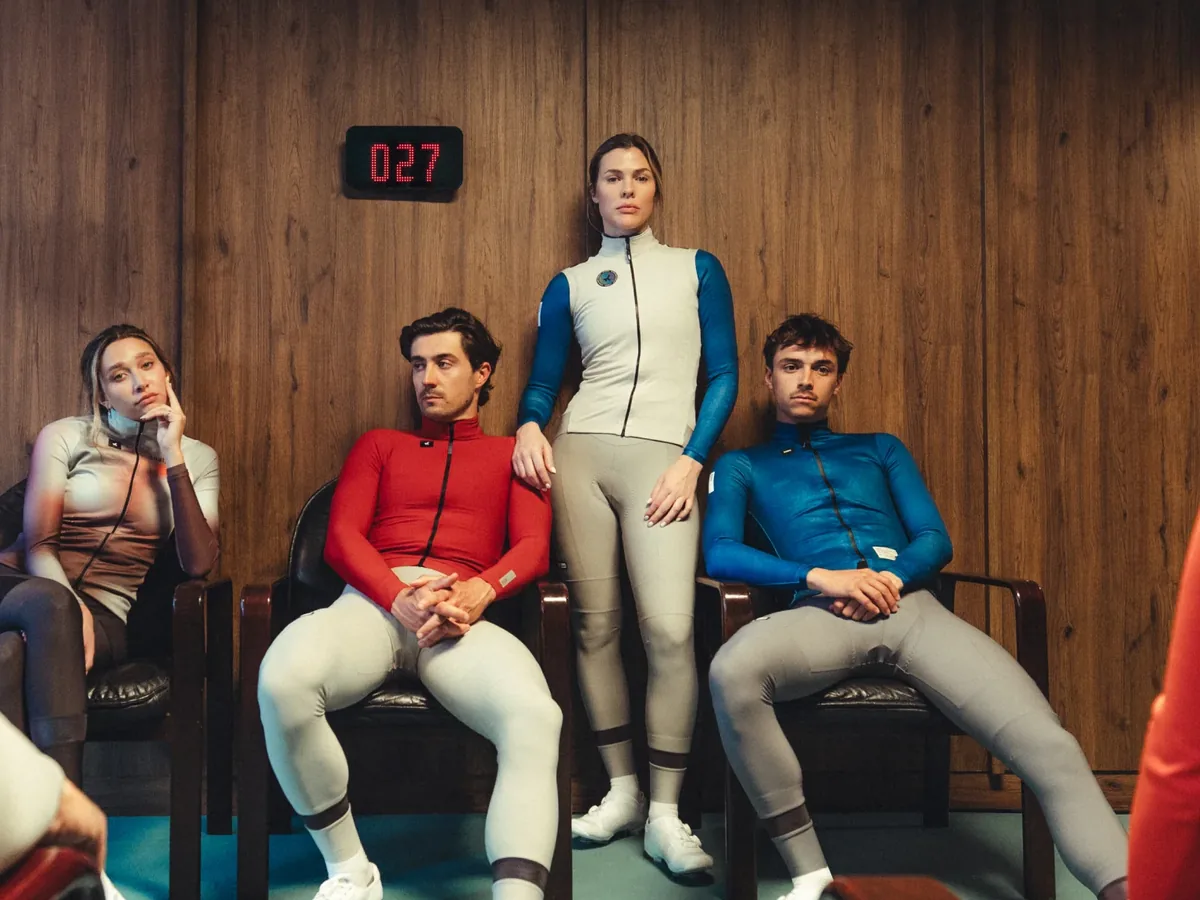
Base: Winter Merino base layer
Mid: Hyder long sleeve jersey, 230 g
Outer: Vector 3.0 wind vest
Bottoms: Absolute 8.0 bib tights
Q36.5
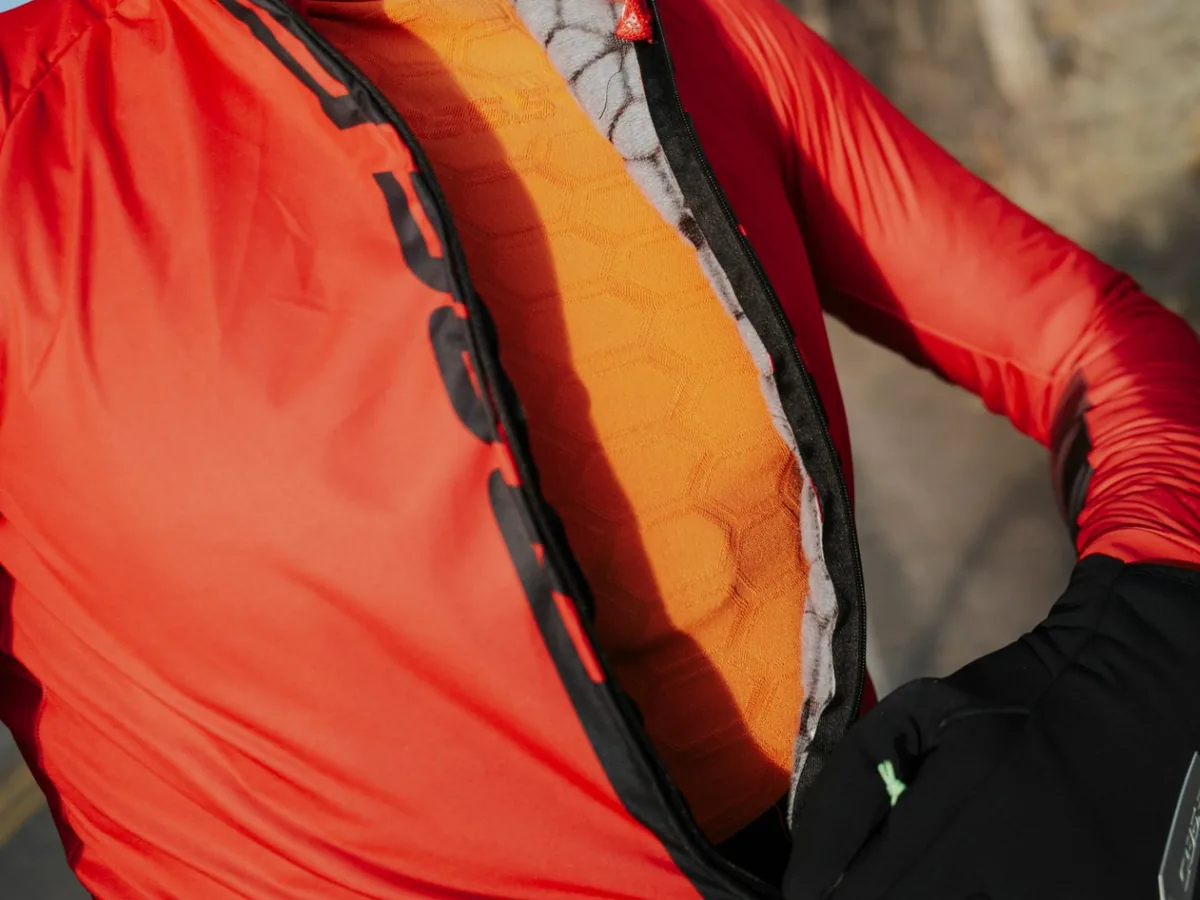
Base: Layer 3 long sleeve base layer
Mid: Gregarius Hybrid Racing Car thermal jersey
Outer: –
Bottoms: Dottore Hybrid bib tights
10–12 °C: cold fall days
Assos
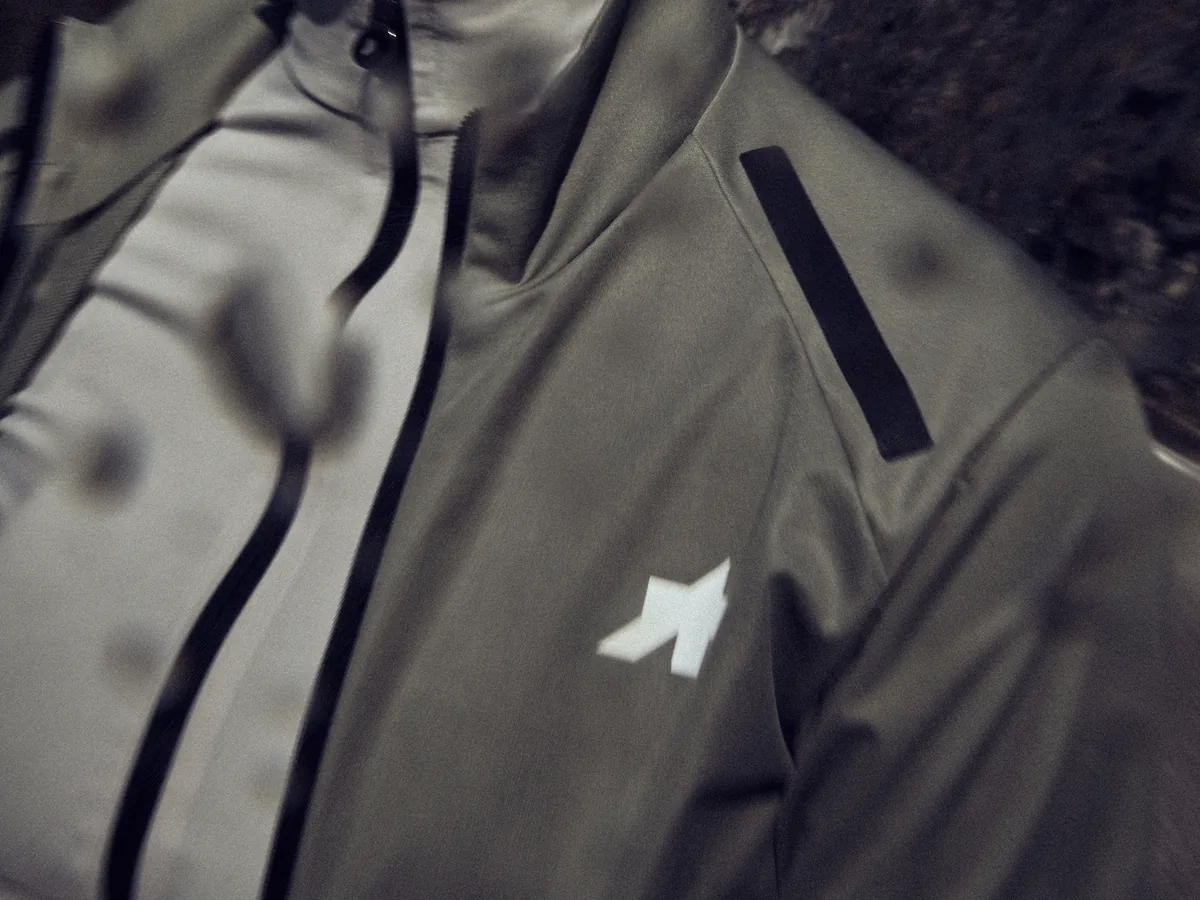
Base: Winter P1 long sleeve base layer
Mid: –
Outer: MILLE GT Winter S11 EVO winter jacket
Bottoms: MILLE GT Spring Fall S11 bib tights
Castelli
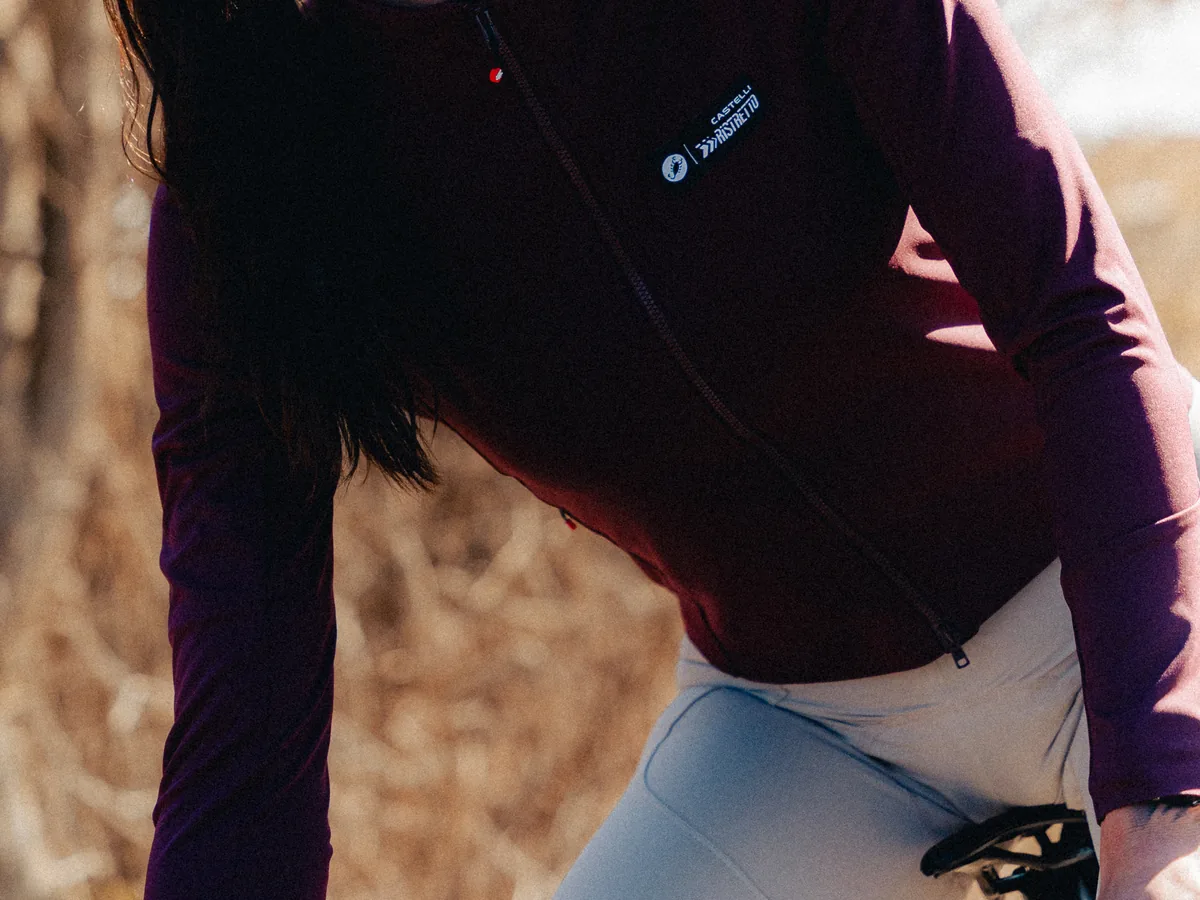
Base: Flanders 2 long sleeve base layer
Mid: –
Outer: Light Jacket Sweetspot
Bottoms: Espresso 2 bib tights
Gobik
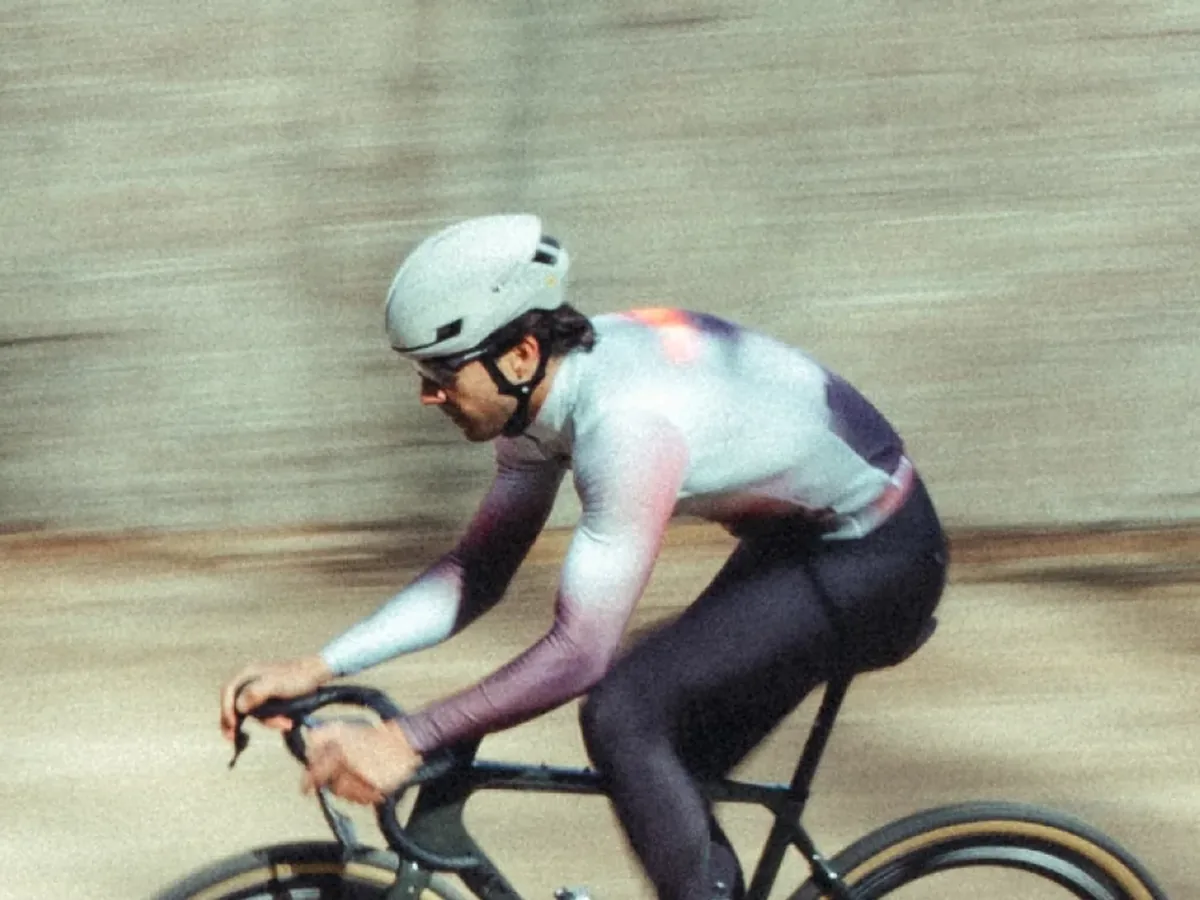
Base: Winter Merino long sleeve base layer
Mid: –
Outer: Lightjacket Vantage
Bottoms: Absolute 8.0 bib tights
Q36.5
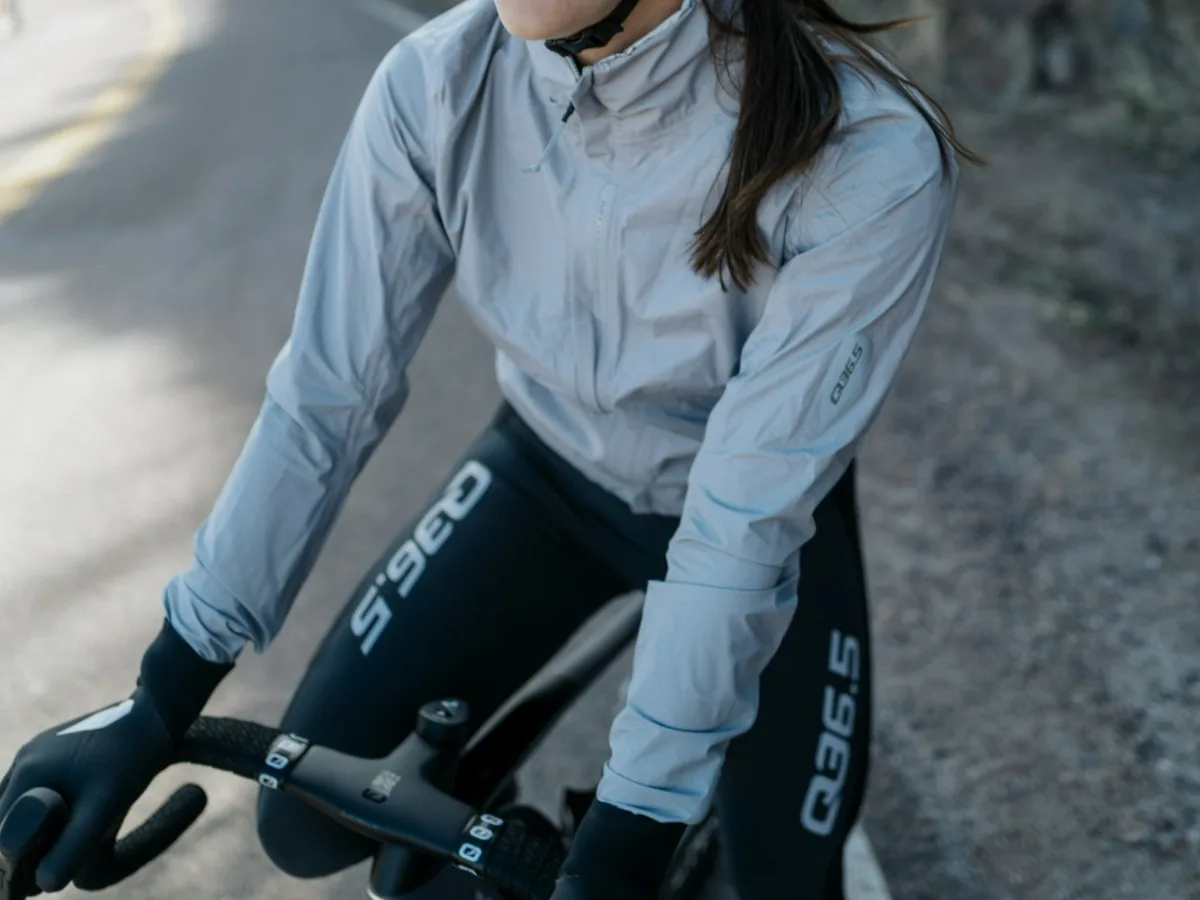
Base: Layer 3 long sleeve base layer
Mid: –
Outer: Light Jacket Dottore Hybrid Que
Bottoms: Dottore Hybrid bib tights
Why does your pace determine the right layer?
Temperature alone isn't enough to decide. During intervals or races, your body produces far more heat than on an easy endurance ride.
What should I wear when it's cold in the morning and warm at midday?
With big temperature swings, pieces that fit in your jersey pocket are what count. The Castelli Transition wind jacket, the Q36.5 Air wind jacket (90 g) and the Gobik Vector 3.0 wind vest all fold up small. Leg warmers turn shorts into tights, for example the Castelli Espresso 2 leg warmers. You can take them off on the go without removing your shoes.
What changes for touring, commuting and MTB?
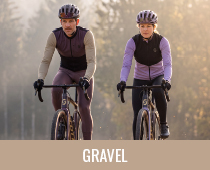
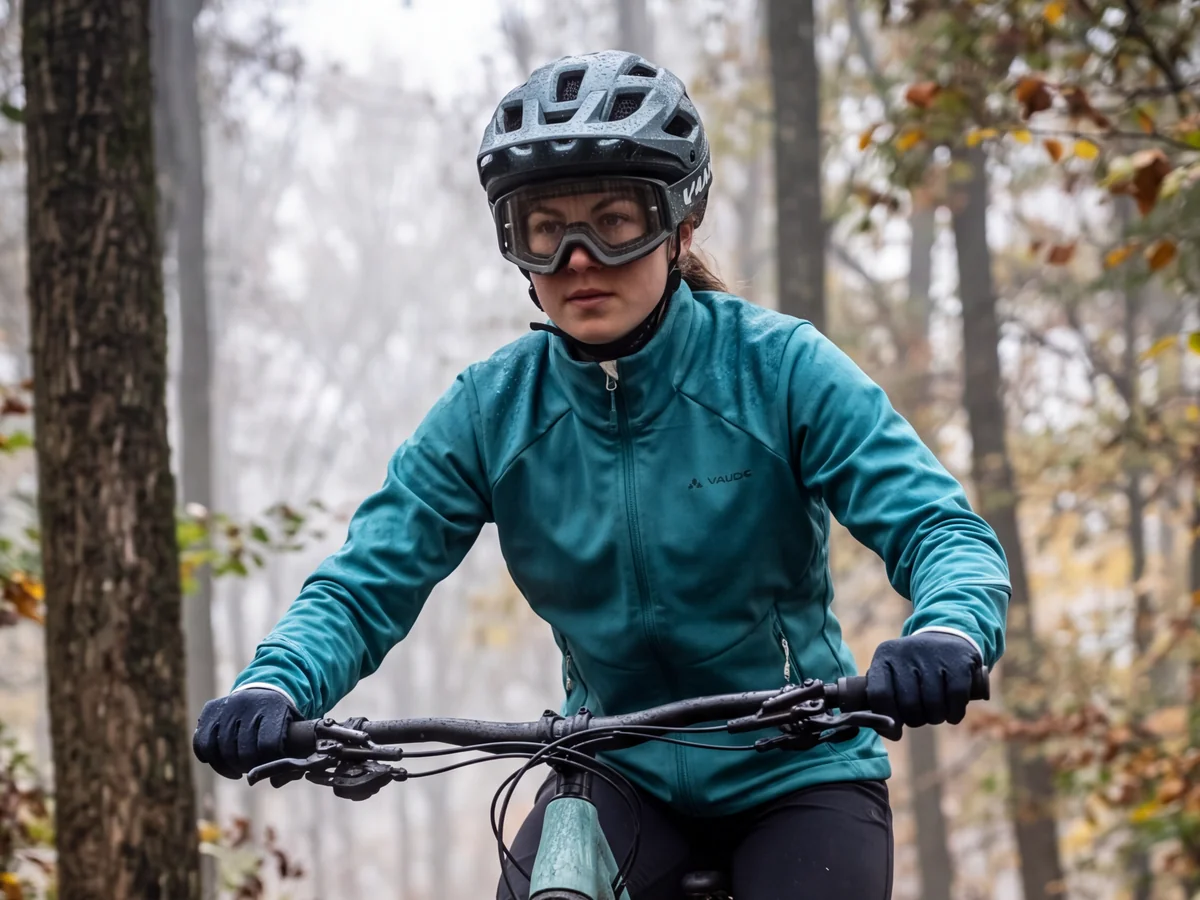
The layering system stays the same; only the fit changes. Vaude cuts many models more relaxed and builds them tougher. The Vaude Posta II long sleeve jersey is brushed on the inside and works on its own or as a second layer. The Vaude Livigno II long sleeve jersey is a fleece half-zip with a stand-up collar and thumb holes, made for mountain biking. For the outer layer, the Vaude Moab thermal vest is a good fit. It is insulated with PrimaLoft Black (60 g/m²) and is wind- and water-repellent. Underneath, wear a base layer according to the temperature rule above.
On a mountain bike, the pace is lower and the effort changes more often. That's why a vest is often more practical there than a jacket. The long cycling pants are all a bit warmer, because the physical effort is lower.
The outer layer: wind vest, wind jacket or Light Jacket
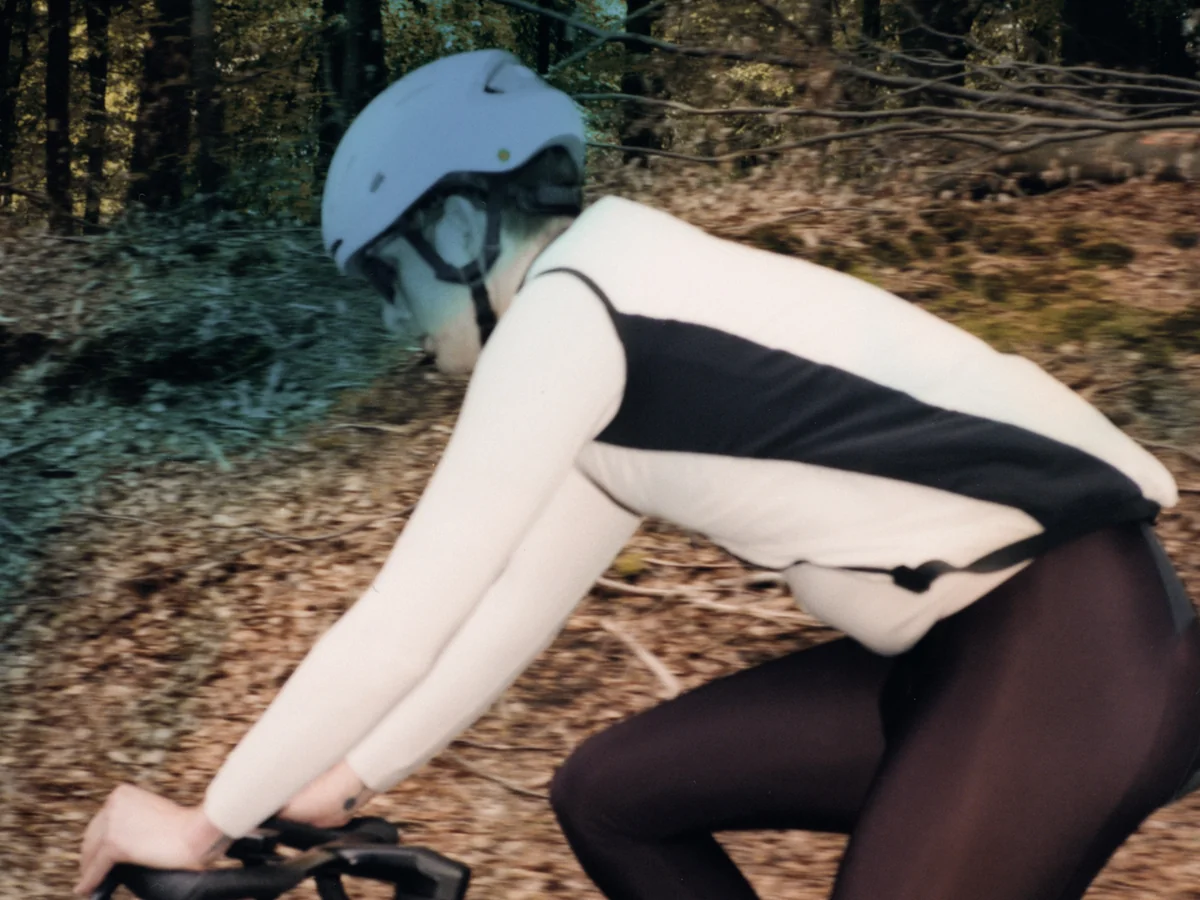
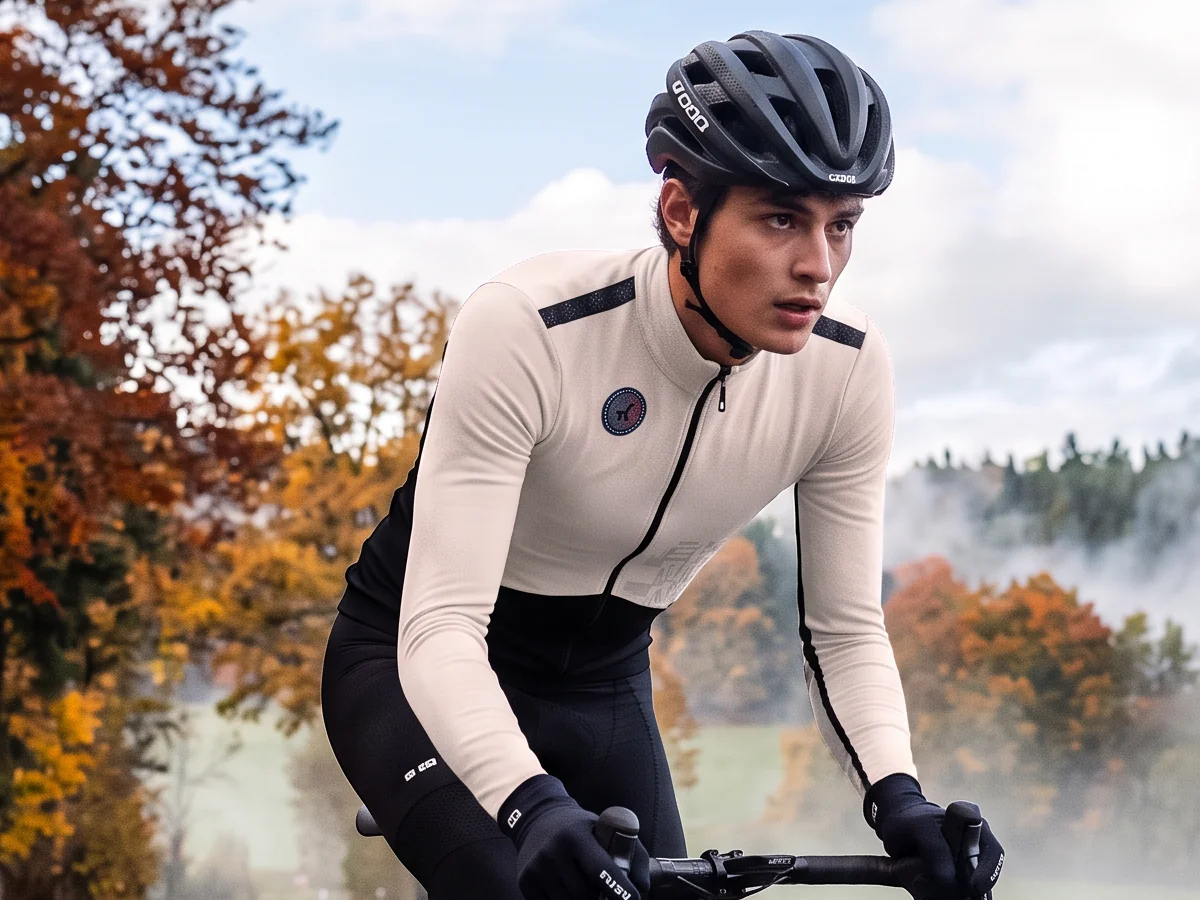
The outer layer decides how well your layering system handles wind and rain. A wind vest protects your chest and stomach and leaves your arms free. A wind jacket also protects your arms and fits in your pocket. A Light Jacket insulates and, at 10 to 12 °C, often replaces both jersey and vest. You'll find the right outer layers in our categories:
Is a water-repellent jacket enough for rain?
Water-repellent and waterproof are two different things. A DWR finish makes drizzle and road spray bead off. In longer rain, water still gets through. For real showers, you need a jacket with a membrane, for example the Gobik Envy 3.0 winter jacket with Polartec Power Shield Pro or the Assos MILLE GTS STURMPRINZ Rain S11 rain jacket with taped seams.
Assos, Castelli, Gobik, Q36.5 or Vaude: which brand suits which rider?
Almost all five brands offer a complete layering system. They differ in cut, intended use and price.
The five brands compared
Approach: two lines, MILLE GT for endurance, Equipe for racing
Fit: GT comfortable, Equipe very close-fitting
Best for: High-mileage riders who want a well-thought-out complete system
Approach: Espresso line for the fall, very large selection of base layers
Fit: Race to performance fit
Best for: Road cyclists who want lots of combinations
Approach: Polartec materials, made in Europe
Fit: Perfect Fit, room for a base layer
Best for: Ambitious riders who want good value for money
Approach: Body mapping, membrane-free hybrid fabrics, made in Italy
Fit: Very close-fitting, for a low riding position
Best for: Fast riders who sweat a lot

Approach: Tough pieces with a relaxed cut
Fit: Relaxed, lots of freedom of movement
Best for: Touring riders, commuters, gravel and MTB riders
The key pieces are also available in women's cuts. Gobik offers the Vector 3.0 wind vest, the Lightjacket Vantage, the Absolute 8.0 bib tights and the Winter Merino base layers, among others. Castelli offers the Light Jacket Sweetspot as a women's model. Vaude has the Qimsa long sleeve bike shirt and the Moab thermal vest.
Every fall, demand for advice on cycling base layers rises sharply in our Bobstore. Many customers know the problem: you sweat quickly while riding, while the cold wind chills you at the same time. Their feedback shows that well-chosen base layers and a smart layering system noticeably improve riding comfort in the fall and make cycling more enjoyable in cooler temperatures. Which brand customers end up choosing depends on their cycling style and needs, not on the layering principle itself.
 Anne Nanni's take
You can save even more when you buy:
- ✓ Set Offers with jacket and bib tights are about 8 % cheaper than the individual pieces.
- ✓ The Bobstar membership gets you an 8 % instant discount plus 2 % Bobcash on every purchase.
Shop base layers at Bobshop now
FAQ: layering in the fall
How tight should a base layer fit?
A base layer needs to sit directly on your skin everywhere without cutting in. Only with skin contact can it absorb sweat and pass it on. If in doubt, choose the smaller size, as long as it doesn't feel tight at the shoulders and stomach.
How do I wash a cycling jacket with a membrane properly?
Wash membrane jackets with a small amount of liquid detergent and no fabric softener. Fabric softener clogs the pores of the membrane. Follow the temperature on the care label and close all zippers before washing.
Are Set Offers worth it for layering?
Yes, if the jacket and bib tights are on your list anyway. At Q36.5, for example, the set of the Gregarius winter jacket and bib tights is about 8 % cheaper than the individual pieces. You'll find all combinations in our Set Offers.
How can I save when buying cycling apparel?
As a member of the Bobstar Club, you get an 8 % instant discount and 2 % Bobcash on every purchase. On a €500 outfit, that adds up to about €50. The membership costs €7.95 per year.
Shop base layers and fall apparel from Assos, Castelli, Gobik, Q36.5 and Vaude at Bobshop now.
